
Destination guide
Kigoma
Lake Tanganyika's port of chimps and explorers
The story
A short history of Kigoma
Kigoma and neighbouring Ujiji sit on one of the oldest trade corridors in East Africa. Ujiji was a thriving Arab-Swahili caravan town long before the colonial era, a hub for ivory and, tragically, enslaved people carried between the interior and the Indian Ocean coast. It was here, on 10 November 1871, that the journalist Henry Morton Stanley found the ailing explorer David Livingstone and reportedly greeted him with the words, 'Dr Livingstone, I presume?'
German colonists chose Kigoma as the western terminus of the Central Railway from Dar es Salaam, and the port became a strategic gateway to the Congo and the lake. The famous steamer MV Liemba, launched by the Germans as the Graf von Goetzen in 1913 and scuttled during the First World War before being salvaged, still plies the length of Lake Tanganyika, one of the oldest passenger vessels in service anywhere.
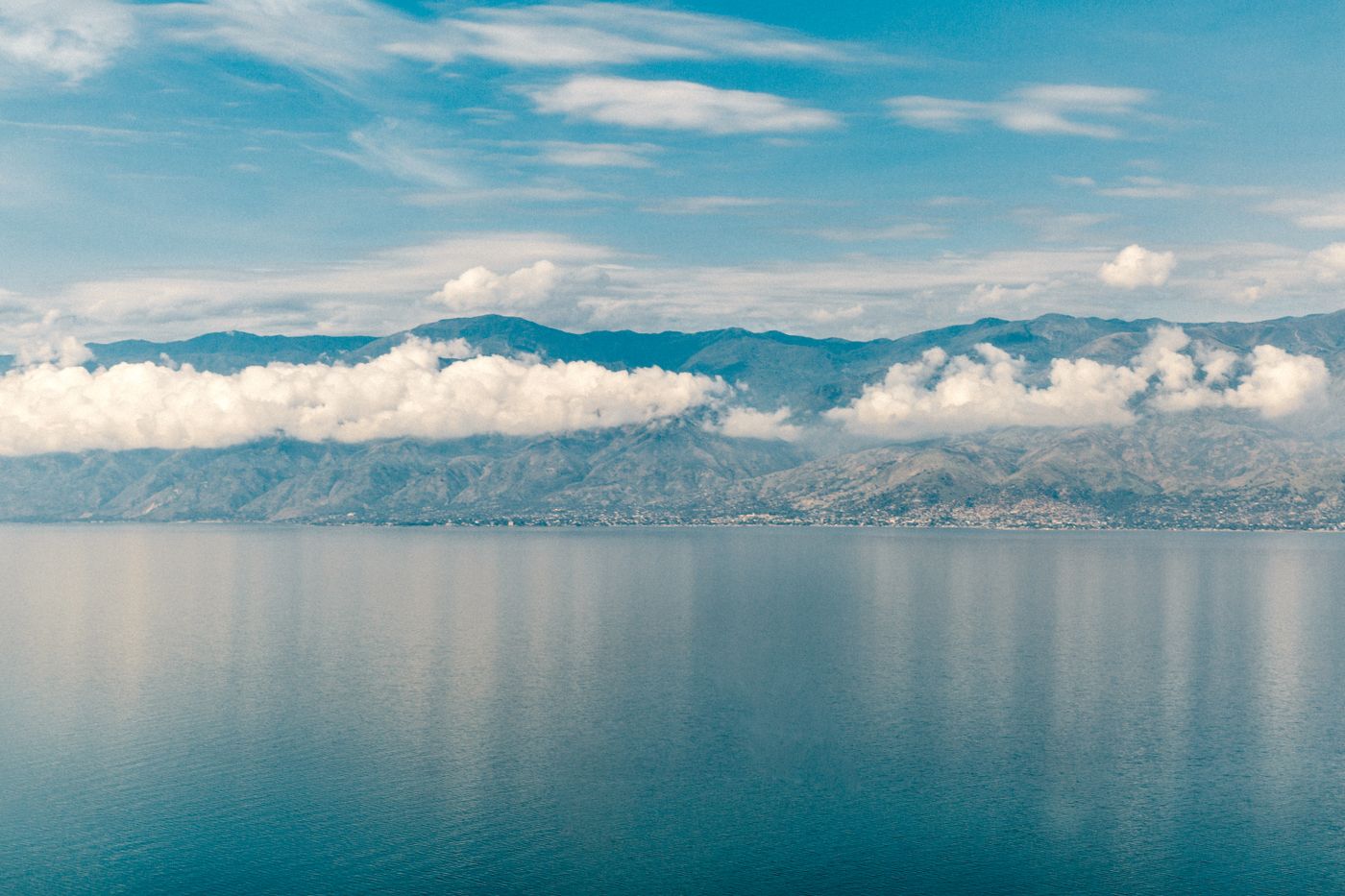
Lake Tanganyika defines the region. At around 660 km long and some 1,470 m deep it is the world's longest and second-deepest lake, an ancient body of water millions of years old and home to hundreds of endemic cichlid fish. The forested mountains rising from its eastern shore shelter Gombe, where Jane Goodall began her landmark chimpanzee study in 1960, and the wilder Mahale Mountains, making Kigoma a base for some of the most rewarding wildlife encounters in Africa.