
Destination guide
Mwanza & Lake Victoria
Rock City on the shores of Africa's greatest lake
The story
A short history of Mwanza & Lake Victoria
Mwanza grew up around the granite headlands of Lake Victoria, long home to the Sukuma, Tanzania's largest single ethnic group, whose farming and cattle-herding culture still shapes the region. German colonists established a station here at the turn of the twentieth century, drawn by the harbour and the rich agricultural hinterland, and the town's most famous landmark, Bismarck Rock, still carries the name of the German chancellor.
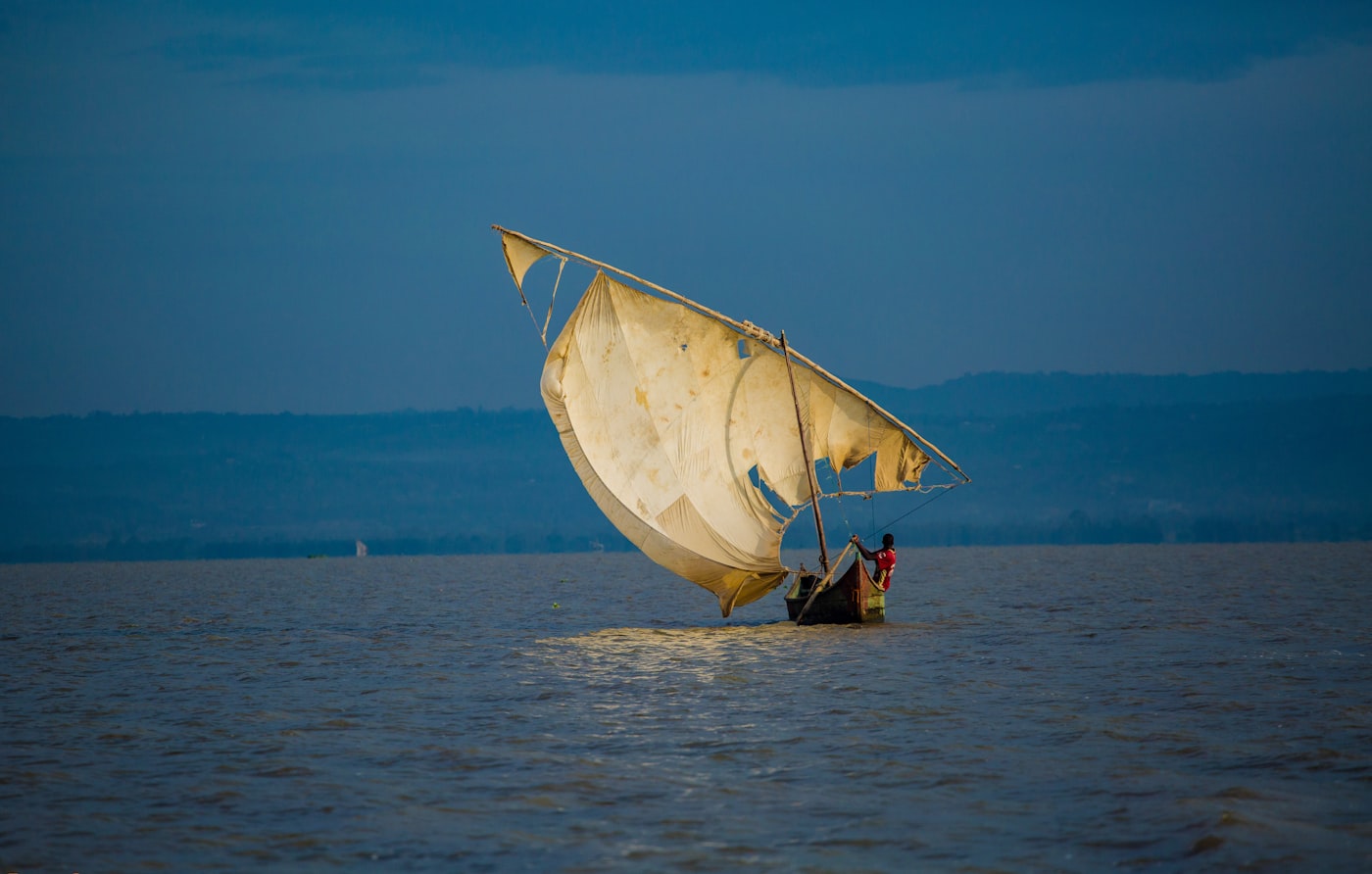
The lake itself has always been central to Mwanza's story. Lake Victoria is Africa's largest lake and the second-largest freshwater lake in the world, and its fisheries, above all the giant introduced Nile perch, turned Mwanza into a major processing and export hub through the twentieth century. Rail and steamer links to the coast made the port a vital node in the movement of cotton, fish and people across the region.
In 1966 conservationist Bernhard Grzimek of the Frankfurt Zoological Society released the first of seventeen chimpanzees onto Rubondo Island, an experiment in rewilding that endures today as one of the region's great wildlife stories. Modern Mwanza blends this frontier past with a fast-growing city economy, Sukuma cultural pride and a steady flow of visitors heading for the lake and the nearby national parks.