
Destination guide
Lake Manyara & Tarangire
Baobab plains, giant elephant herds and tree-climbing lions
The story
A short history of Lake Manyara & Tarangire
The Tarangire and Manyara ecosystems lie along the floor and western wall of the Great Rift Valley, southwest of Arusha. Long grazed by Maasai pastoralists, the area was set aside for wildlife in the twentieth century: Lake Manyara National Park was gazetted in 1960 and Tarangire followed as a national park in 1970, protecting a vital dry-season refuge fed by the permanent Tarangire River.
Lake Manyara earned early fame through the work of naturalists and writers, including Ernest Hemingway, who called the escarpment scenery some of the loveliest he had seen in Africa. The park is celebrated for its unusual tree-climbing lions, which drape themselves over acacia and sausage-tree branches, and for the vast flocks of flamingos and pelicans that gather on its shallow alkaline lake.
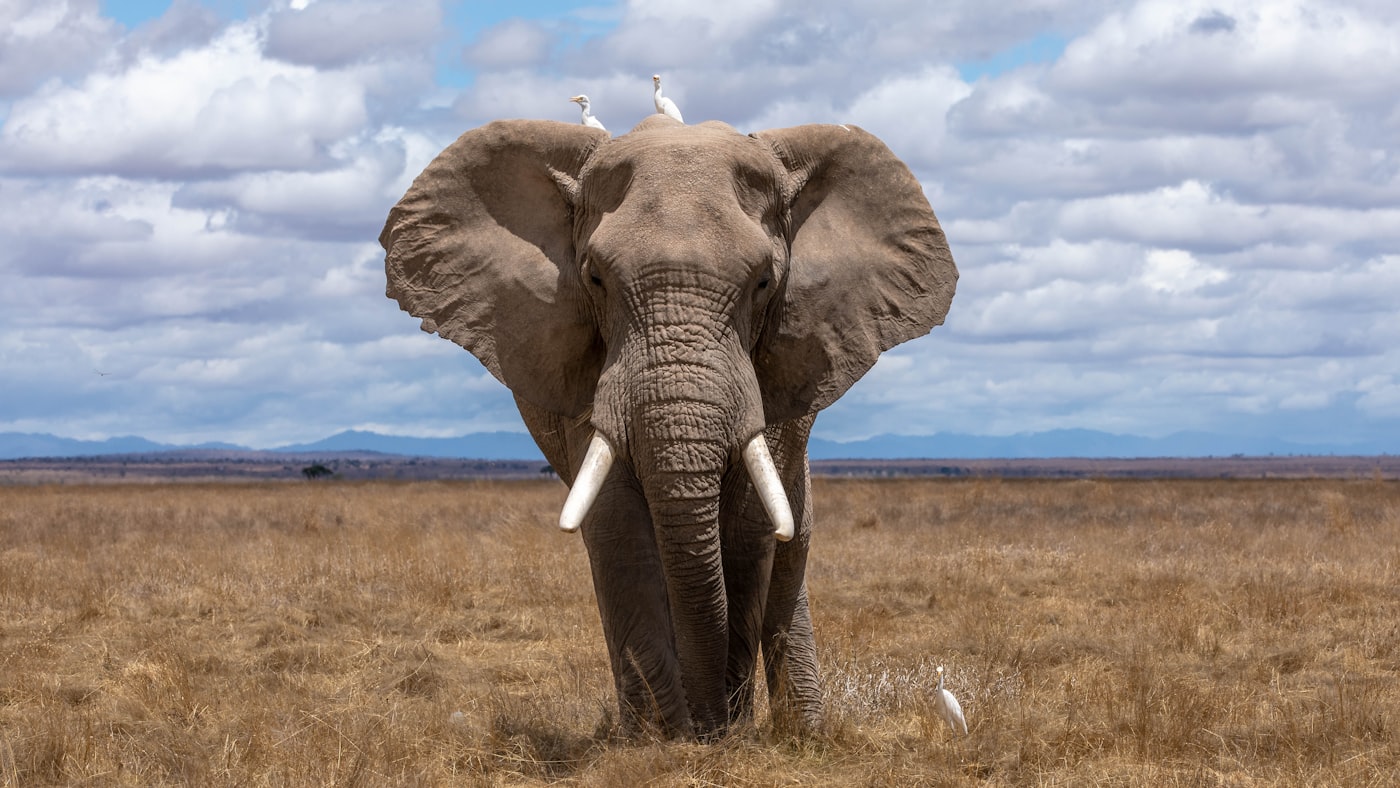
Tarangire, named for the river that is its lifeline, holds one of the highest densities of baobab trees in East Africa and one of the largest elephant populations, with herds several thousand strong congregating in the dry months. Together the two parks form a compact, wildlife-rich gateway that many safaris use to begin or end the northern circuit.