
Destination guide
Iringa & Ruaha
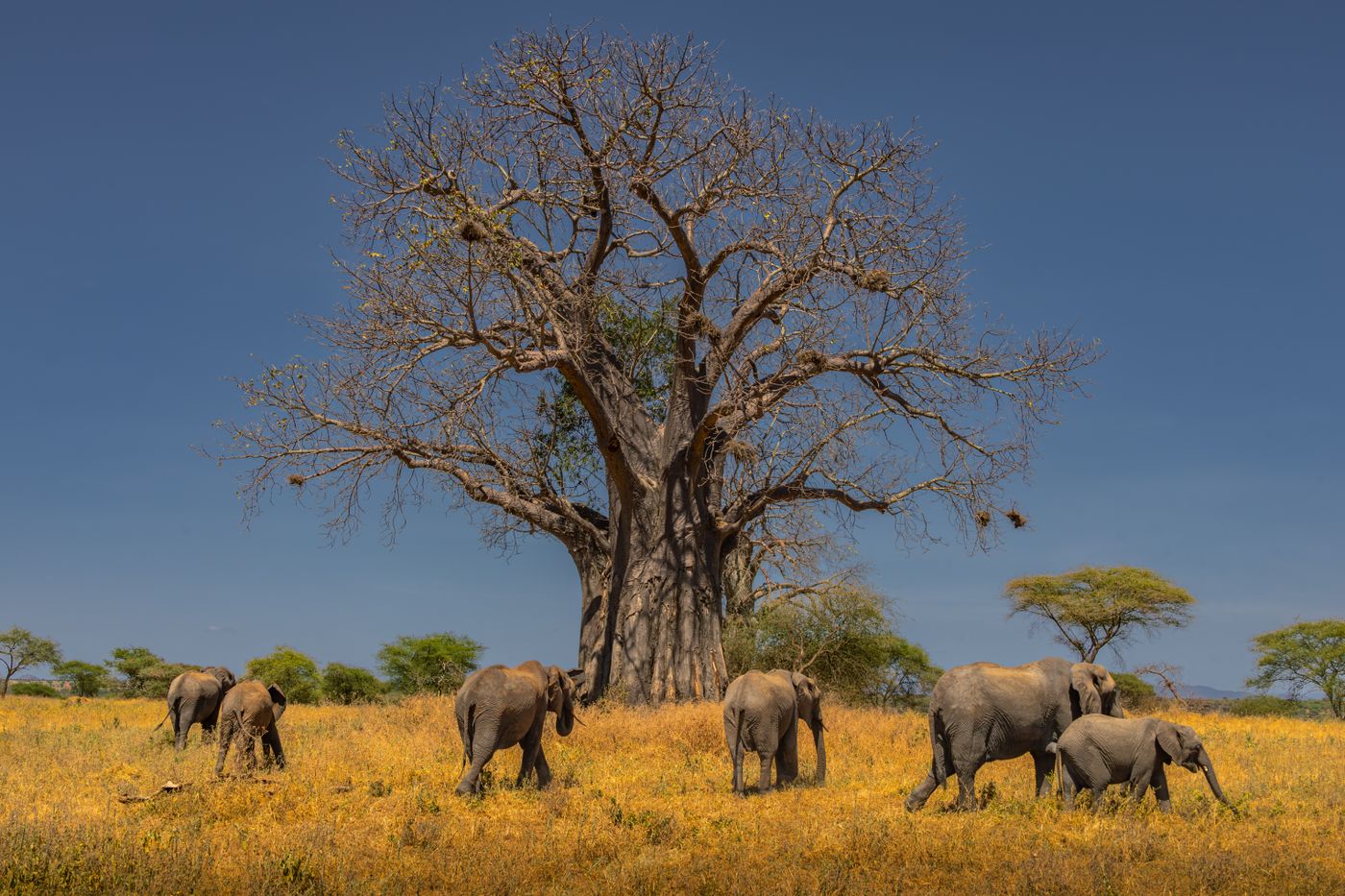
A breezy highland town and gateway to Ruaha, Tanzania's largest national park, land of baobabs, big cats and huge elephant herds.
The story
A short history of Iringa & Ruaha
The Iringa highlands are the homeland of the Hehe people, who under the leadership of Chief Mkwawa mounted one of the fiercest African resistances to German colonial expansion in the late 19th century. From his fortified capital at Kalenga, Mkwawa fought a long guerrilla campaign; after years of resistance he took his own life in 1898 rather than be captured, and his skull, taken to Germany, was eventually returned and is displayed at Kalenga today.
Iringa town itself grew as a German administrative and military centre, its hilltop position chosen for its commanding views and temperate climate. The surrounding region preserves far deeper history at the Isimila Stone Age site, where Acheulean hand-axes and tools hundreds of thousands of years old lie among dramatic eroded sandstone pillars, marking it as one of Africa's most important prehistoric locations.
Ruaha National Park was first gazetted in 1964 from part of the former Rungwa Game Reserve, and a major expansion in 2008 absorbed the Usangu Game Reserve and wetlands to make it Tanzania's largest park. Lying in a transition zone where East African and southern African species overlap, Ruaha long remained one of the country's least-visited great parks, prized by those seeking classic, crowd-free safari in a vast and dramatic wilderness.