Destination guide
Nyerere (Selous)
A vast wilderness of the Rufiji River's channels and lakes, Tanzania's finest boat safari and the heart of the former Selous.
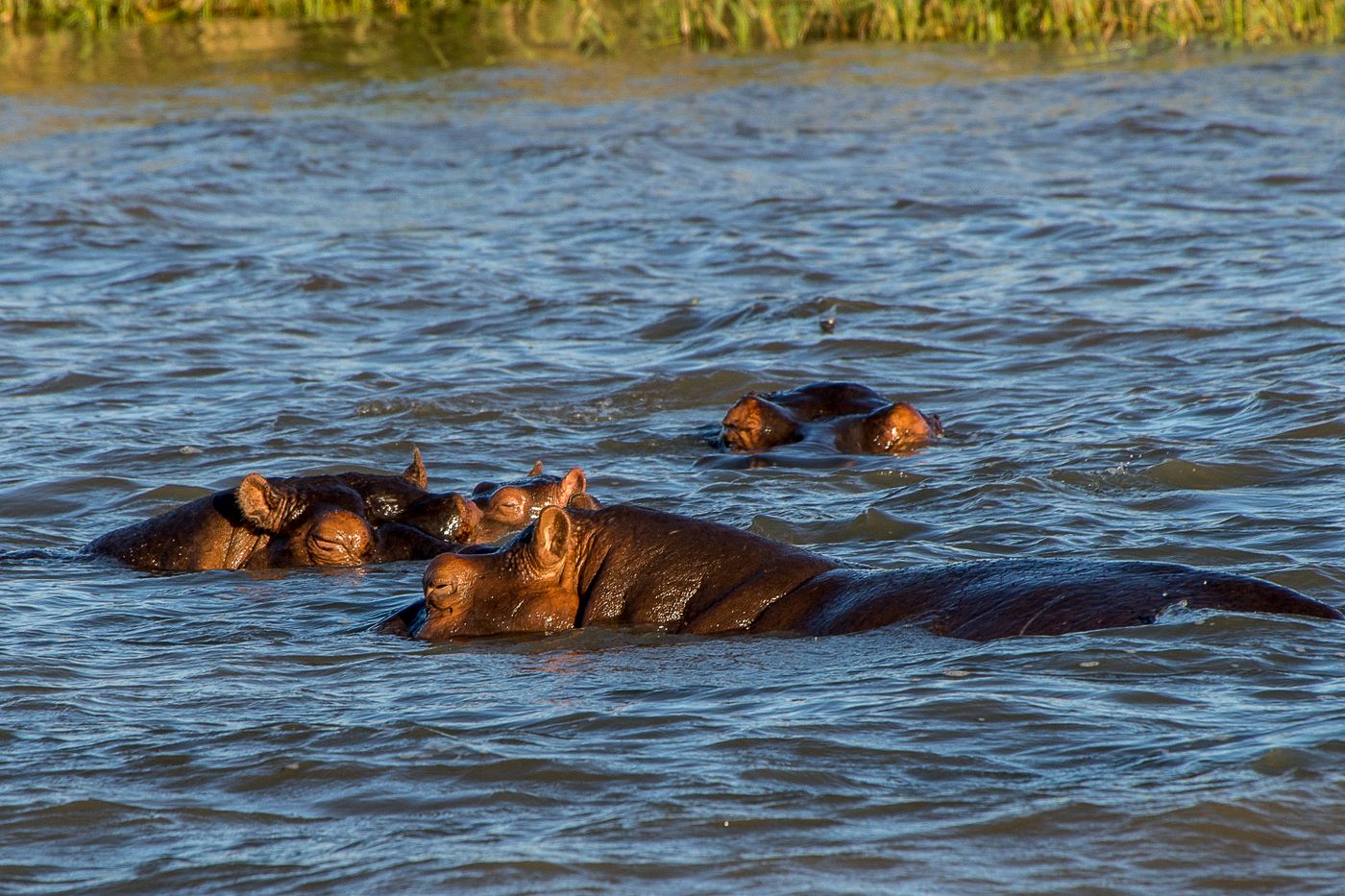
Nyerere National Park is one of Africa's largest protected wilderness areas, carved in 2019 from the northern, game-rich sector of the former Selous Game Reserve and named in honour of Tanzania's founding president, Julius Nyerere. Threaded by the mighty Rufiji River, whose maze of channels, lakes and sandbanks defines the landscape, it offers a safari experience unlike the classic northern parks: boat safaris past hippos and crocodiles, walking safaris through miombo woodland, and sightings of elephants, lions, buffalo and endangered African wild dogs. Remote, wild and refreshingly uncrowded, Nyerere is the jewel of the Southern Circuit.
By the numbers
2019
Established
from the former Selous Game Reserve
UNESCO 1982
Selous heritage
World Heritage Site
Rufiji
River
channels, lakes & superb boat safaris
~30,000 km²
Size
one of Africa's largest parks
Key stronghold
Wild dogs
for endangered African wild dogs
Boat safari
Signature safari
on the Rufiji, rare in Tanzania
Best time to visit
The dry season from June to October is the best time for game viewing, when wildlife concentrates along the Rufiji River and its lakes and the bush is thin. The green season from December to April brings lush scenery and superb birding, but heavy rains often see many camps close from around March to May.