
Destination guide
Pemba
The green clove island, hills of forest and walls of untouched coral
The story
A short history of Pemba
Known to Arab traders as Al Khudra, the Green Island, Pemba has been prized for its fertility for a thousand years. Shirazi Persians settled its coves from around the 10th century, leaving ruins at Ras Mkumbuu and Chwaka, and the island became a stronghold of Swahili culture, learning and, by reputation across the region, traditional medicine and juju.
Cloves made Pemba's modern fortune. Introduced under Omani rule in the 19th century, the trees thrived on the island's hills far better than on Unguja, and Pemba came to hold the great majority of Zanzibar's clove trees, producing the lion's share of an export that once made the archipelago the world's leading supplier. At harvest, the hillsides and drying mats turn brown with buds and the air hangs heavy with their scent.
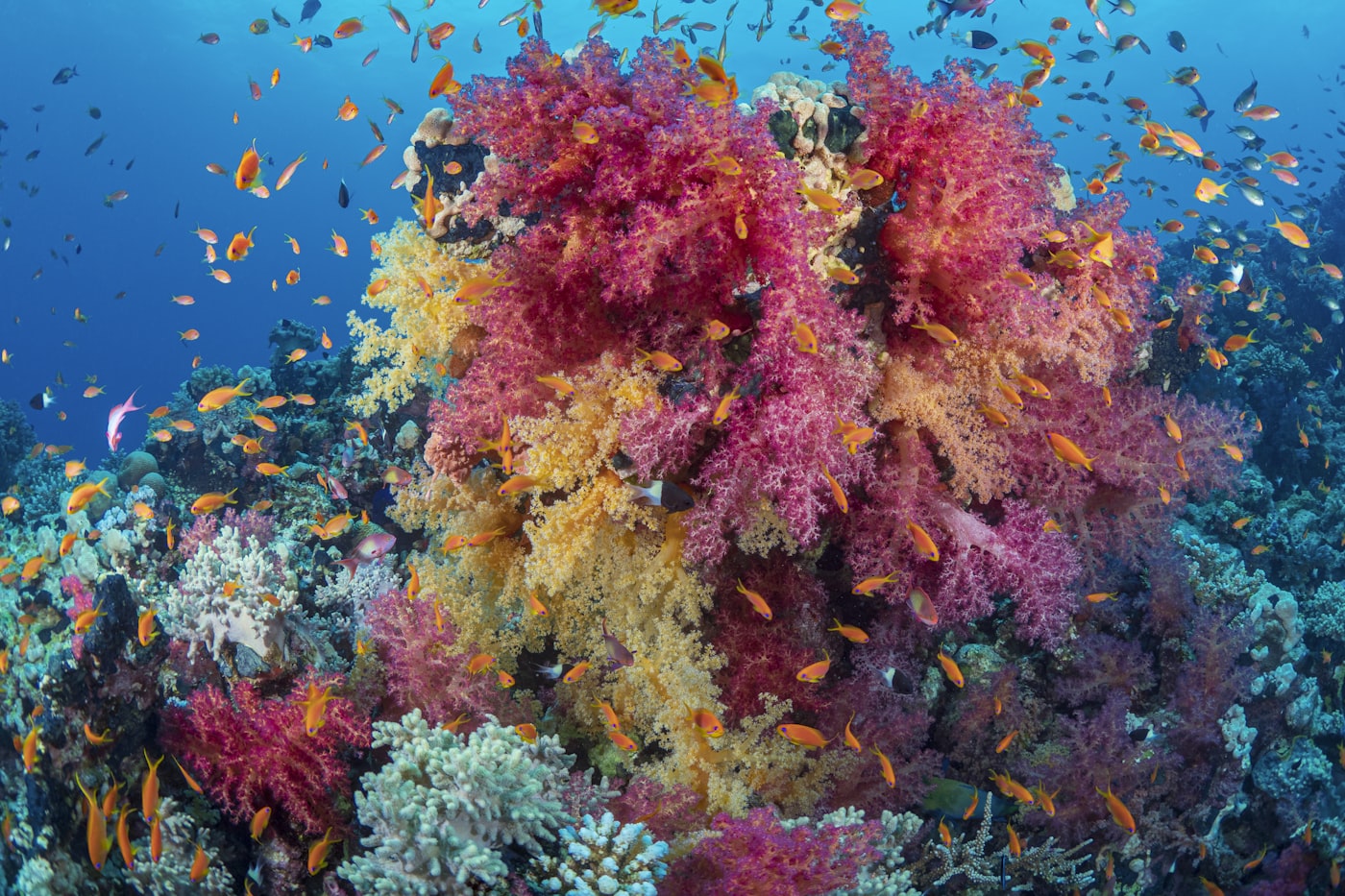
Politically Pemba has long been fiercely independent-minded, a stronghold of opposition sentiment within semi-autonomous Zanzibar. Less developed and less visited than Unguja, it kept its reefs and forests intact, and from the 1990s a handful of dive lodges revealed its underwater walls and drift dives to the world while the island above stayed quietly rural.