
Destination guide
Katavi
Tanzania's wildest, loneliest great park
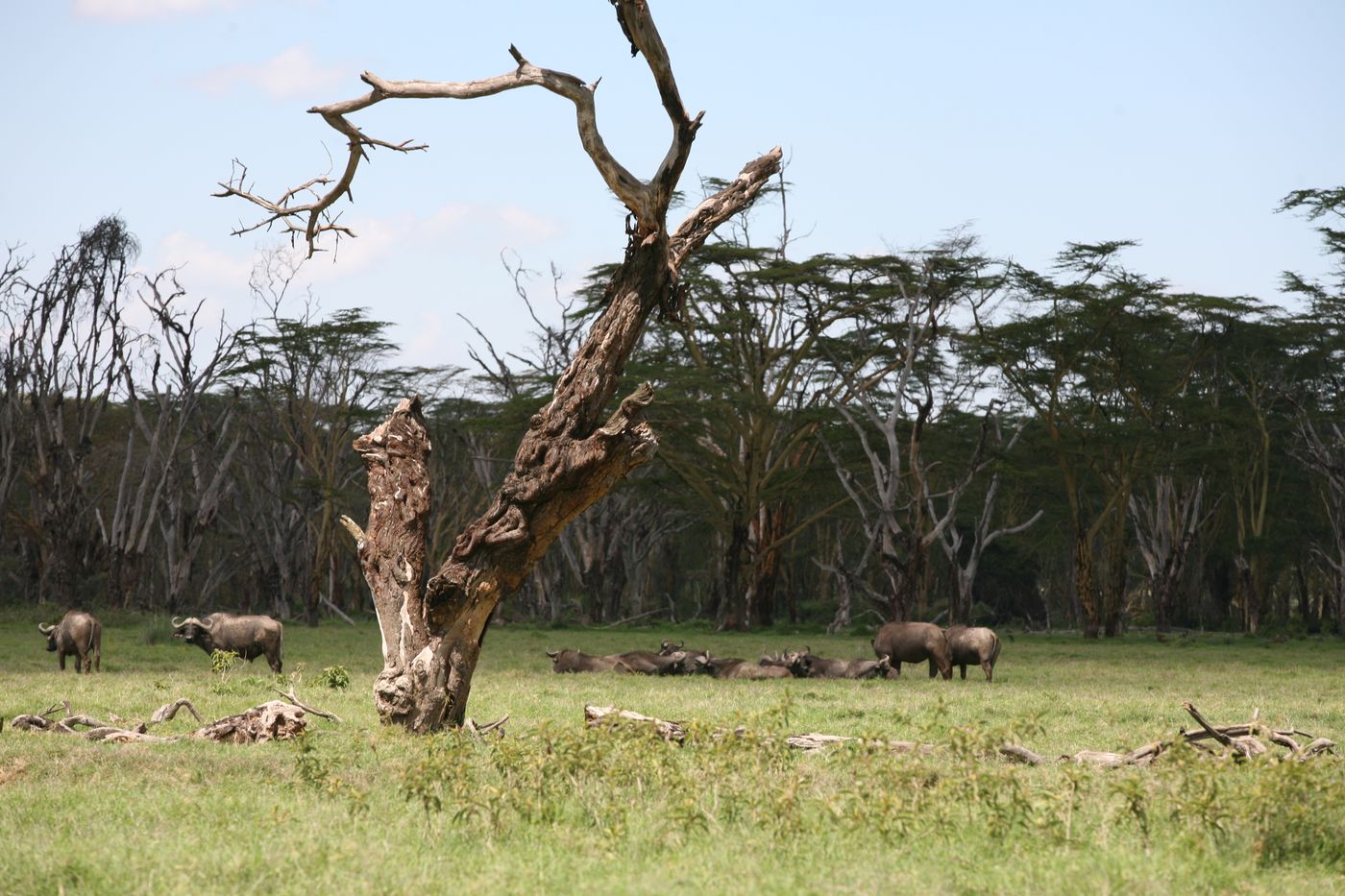
Katavi is one of Africa's last true wildernesses, a vast, remote park in far western Tanzania that sees only a handful of visitors a year. Here the seasonal floodplains and the shrinking Katuma River concentrate wildlife on an epic scale, with hundreds of hippos crammed into muddy pools, immense buffalo herds and prides of lion that follow them. Untamed, roadless and gloriously empty, Katavi rewards the adventurous traveller with a raw safari experience of a kind that has all but vanished elsewhere on the continent.
By the numbers
3rd largest
Park rank
national park in Tanzania
Very few
Visitors
one of Africa's least-visited parks
1974
Established
gazetted as a national park
Hundreds
Hippos
packed into dry-season pools
Mpanda
Gateway town
~40 km north of the park
Fly-in
Access
airstrips at Ikuu and Sitalike
Best time to visit
The dry season from June to October is by far the best time to visit, when receding water forces game into extraordinary concentrations along the Katuma River and its pools, and roads are passable. The wet season from November to April floods the plains, disperses the wildlife and makes access difficult, with many camps closing altogether.