
Destination guide
Katavi
Tanzania's wildest, loneliest great park
The story
A short history of Katavi
The land that became Katavi has long been home to the Bende, Pimbwe and Wabende peoples, whose oral traditions give the park its name. Legend tells of Katabi, a great hunter whose spirit is said to dwell in a tamarind tree near Lake Katavi; visitors and locals still leave small offerings at its base in the hope of good fortune and safe passage.
Katavi was first protected as a game reserve in the mid-twentieth century and elevated to national park status in 1974, later expanded to become the third-largest national park in Tanzania after Ruaha and the Serengeti. Its sheer remoteness in the far west, far from the northern safari circuit, has kept both development and visitor numbers extraordinarily low.
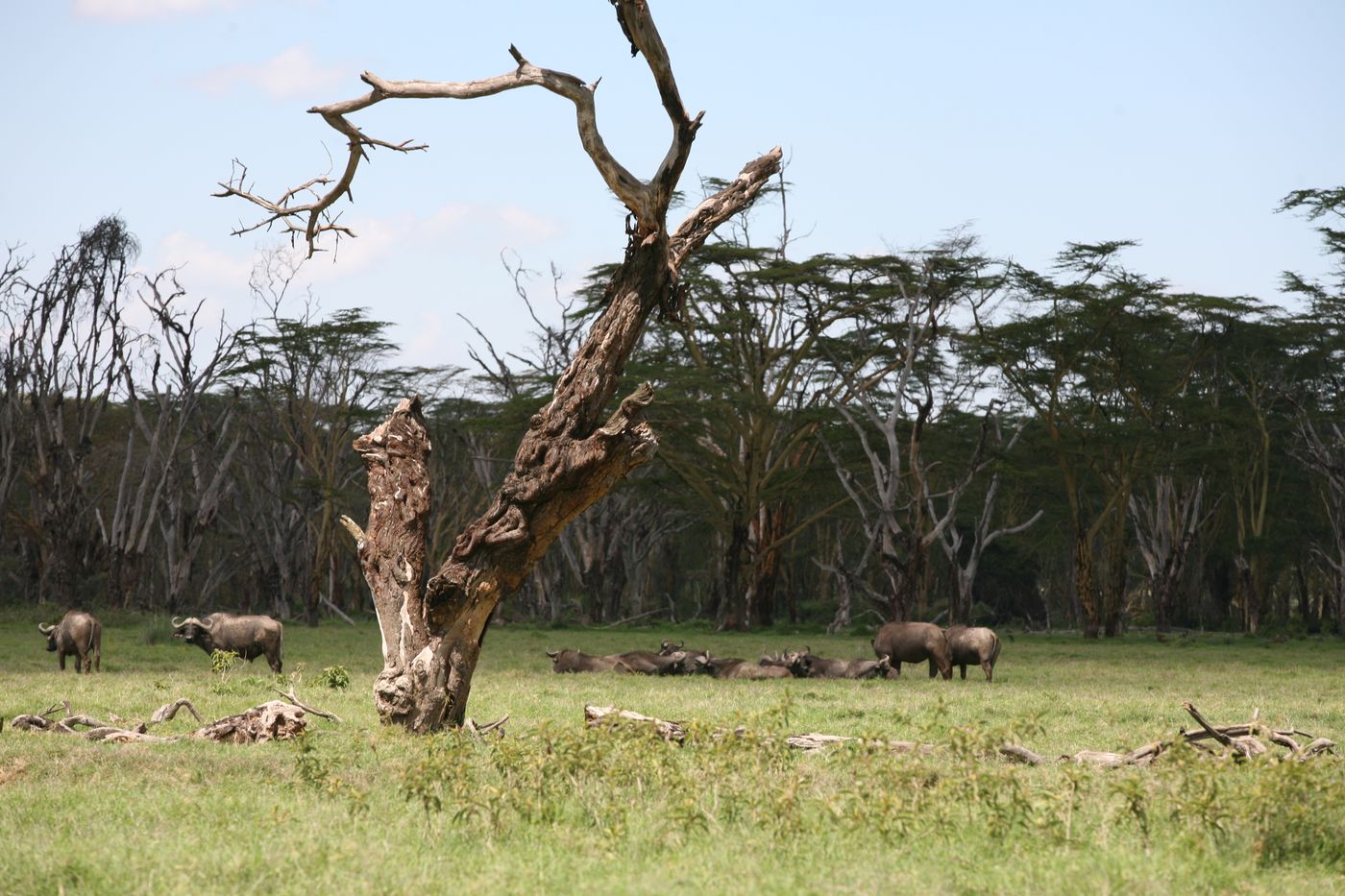
That isolation is Katavi's defining feature and its great gift. While it protects the same abundant wildlife that draws crowds elsewhere, huge concentrations of hippo, buffalo, elephant, giraffe and predators, it does so in near-total solitude. A safari here often means having the floodplains, the tamarind groves and the dramatic dry-season spectacle entirely to yourself.