
Destination guide
Kilimanjaro & Moshi
The trekking base for the roof of Africa's highest peak
The story
A short history of Kilimanjaro & Moshi
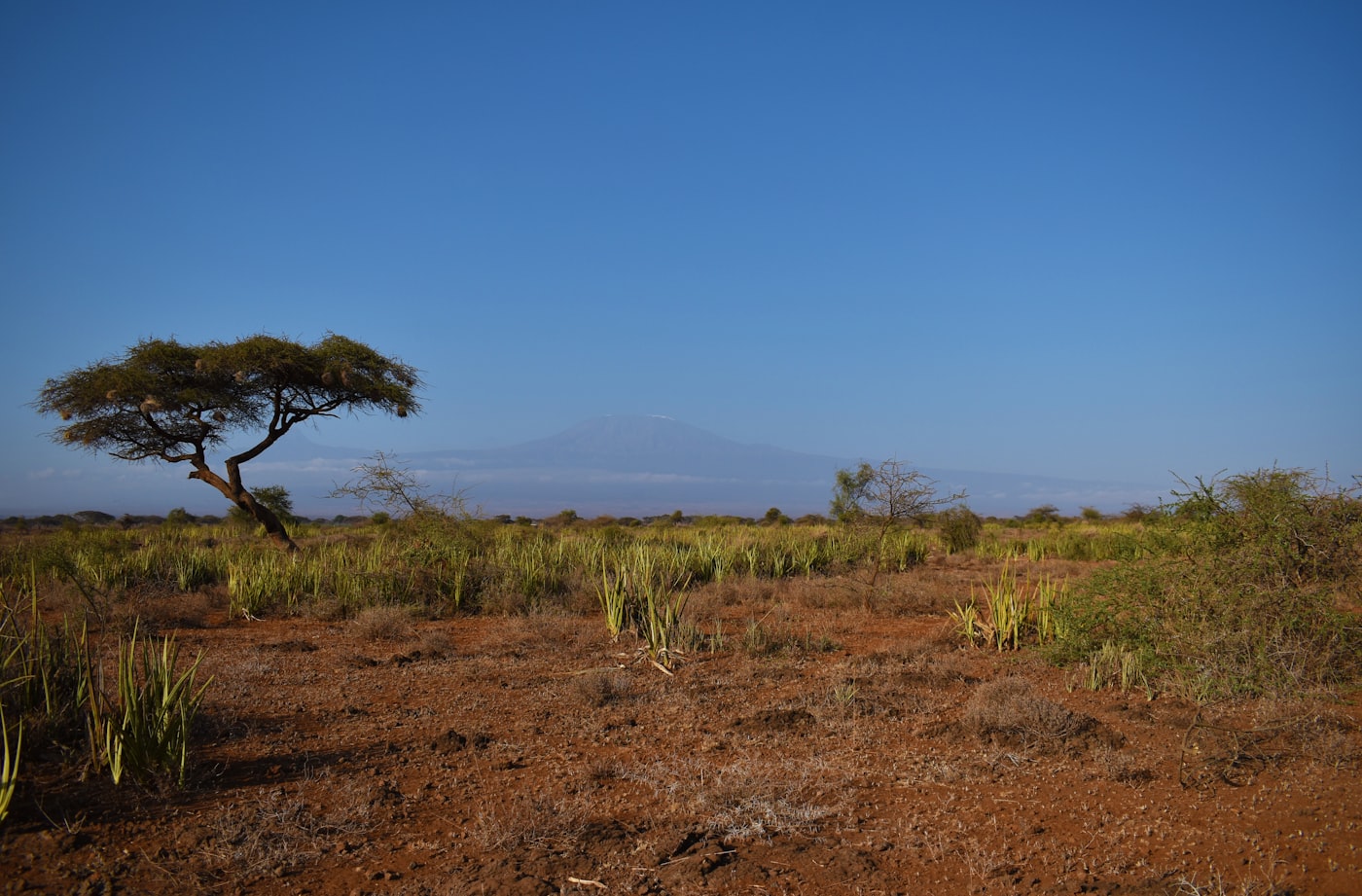
Kilimanjaro is a dormant volcano rising alone from the plains of northern Tanzania, its snow-capped summit visible for a hundred kilometres on a clear day. For the Chagga people who farm its fertile southern slopes, the mountain has always been a source of water, coffee and identity. European awareness grew after German missionary Johannes Rebmann reported equatorial snows in 1848, a claim long doubted in Europe until later expeditions confirmed it.
The first recorded summit came in 1889, when Hans Meyer and Ludwig Purtscheller reached the highest point, later named Uhuru Peak, meaning freedom, after Tanganyikan independence. The town of Moshi grew as a colonial and later Tanzanian centre of the coffee trade, its cooperatives among the oldest in Africa, and it remains the natural staging post for climbers.
Today Kilimanjaro National Park is a UNESCO World Heritage Site and one of the world's most sought-after treks, drawing tens of thousands of climbers each year. Routes such as Machame, Marangu, Lemosho and Rongai thread through rainforest, moorland, alpine desert and glacier, and reaching Uhuru Peak remains a defining achievement for trekkers worldwide.