
Destination guide
Ngorongoro Crater
A collapsed volcano cradling one of Africa's densest wildlife arenas
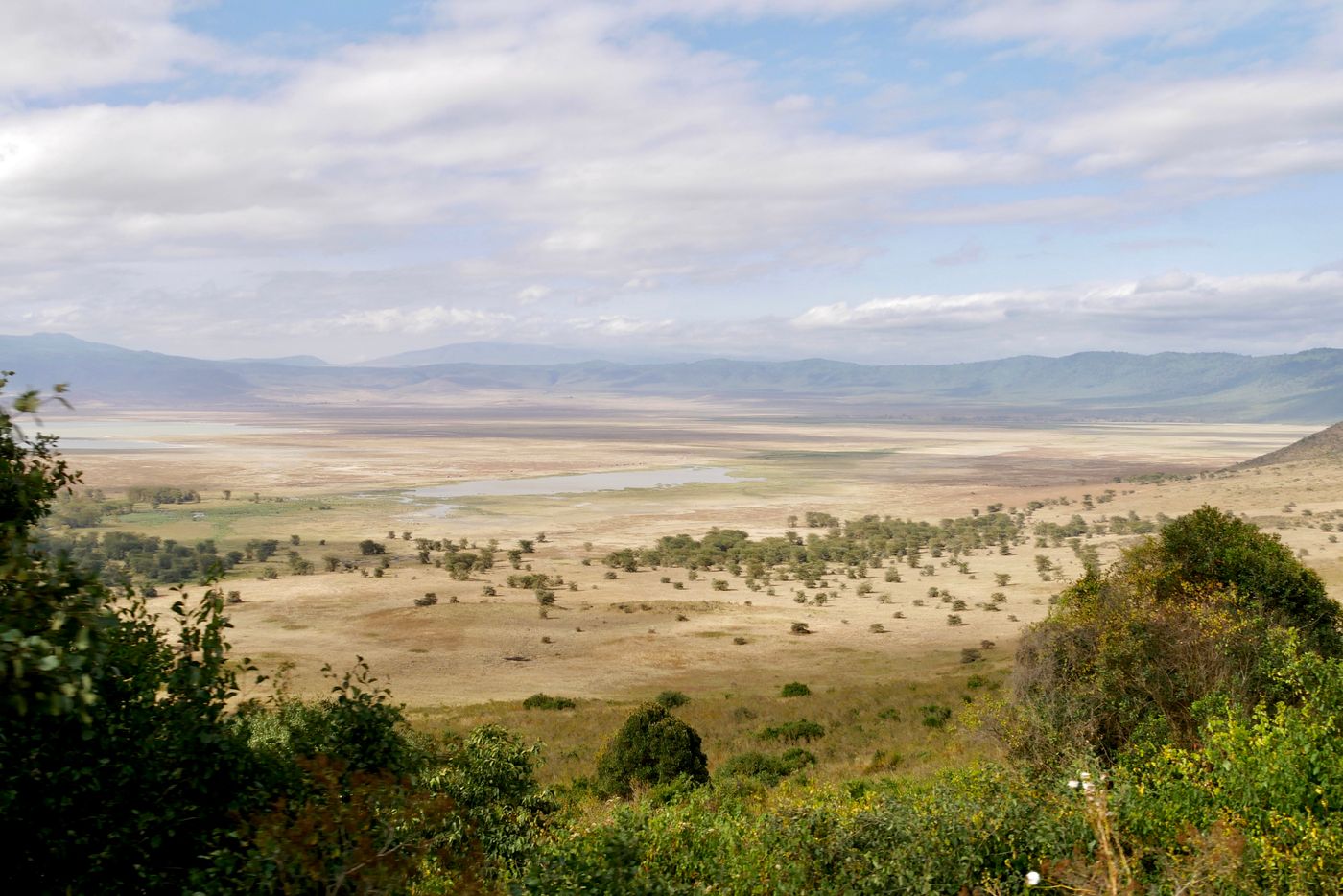
The Ngorongoro Crater is a vast intact volcanic caldera whose 260-square-kilometre floor holds an extraordinary concentration of wildlife, including the Big Five. Travellers descend into it for a near-guaranteed, spectacular day of game viewing within the wider Ngorongoro Conservation Area.
By the numbers
~600 m
Crater depth
from rim down to the floor
~260 km²
Floor area
the enclosed crater floor
~25,000
Large animals
resident on the crater floor
2-3 M yrs ago
Formed
collapsed volcanic caldera
UNESCO site
Status
listed for nature and human origins
All present
Big Five
including rare black rhino
Best time to visit
The crater rewards visitors year-round because its resident wildlife does not migrate, but the dry season from June to October offers the easiest game viewing and clearer roads. The green months from November to May bring lush scenery, newborn animals and fewer vehicles.