
Destination guide
East Zanzibar
Kitesurfing lagoons, seaweed farms and Zanzibar's last red colobus forest
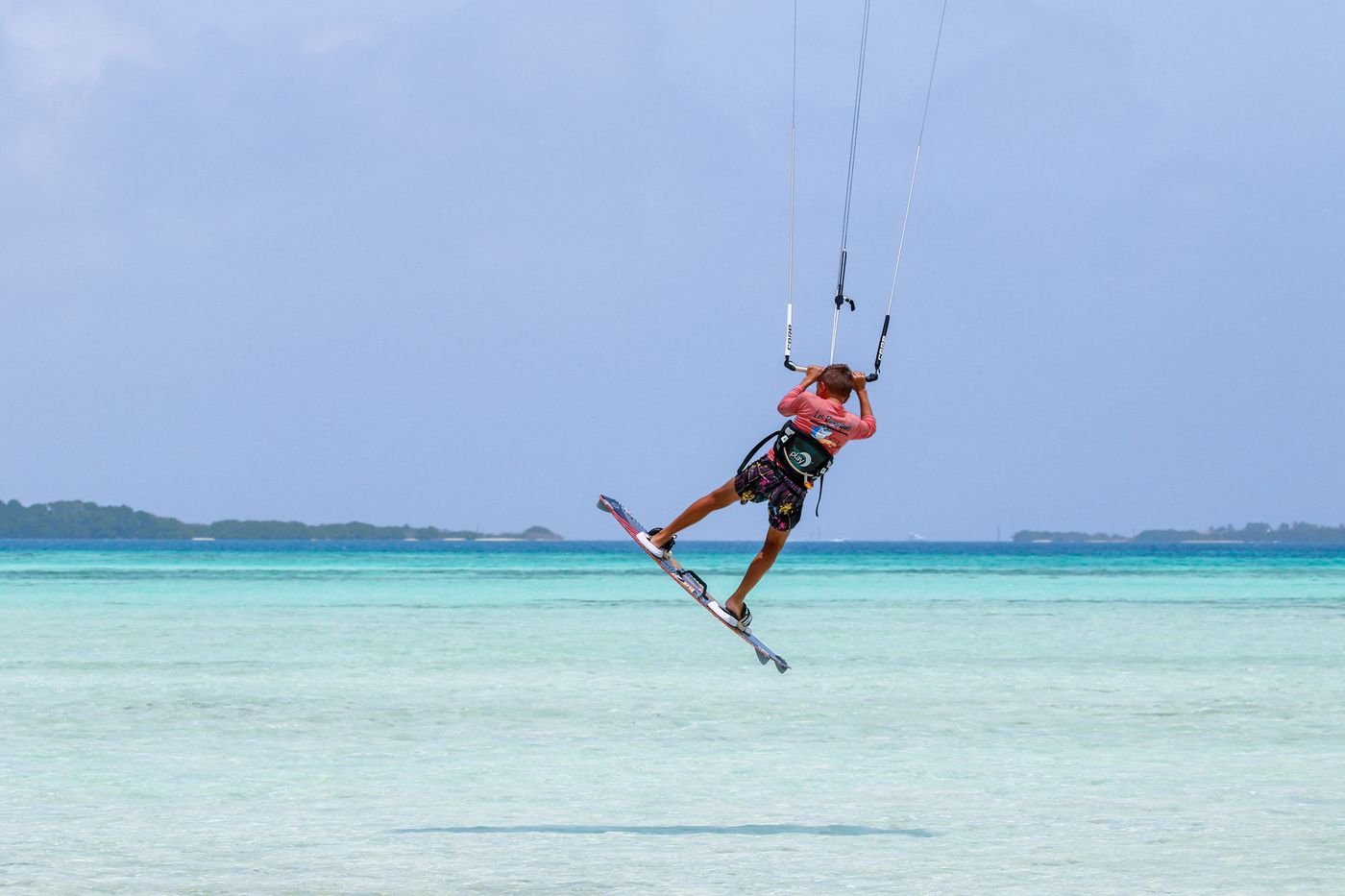
The southeast coast strings together the villages of Paje and Jambiani, East Africa's kitesurfing capital, and the Jozani forest inland. Its single job for a traveller is a laid-back beach base with reliable wind and a wildlife day among the endemic red colobus.
By the numbers
Unguja South
Region
capital Koani
Only national park
Jozani forest
on the island of Unguja
Endemic
Red colobus
found only on Zanzibar
Trade winds
Kitesurfing
reliable Jun-Sep and Dec-Feb
Women-led
Seaweed farming
a major coastal livelihood
12th century
Kizimkazi Mosque
oldest in use in East Africa
Best time to visit
Kitesurfers time their visit to the strong, steady kusi and kaskazi trade winds of June to September and December to February. These are also the driest, sunniest months; the long rains of April and May bring the quietest, cheapest, but wettest conditions.