
Destination guide
East Zanzibar
Kitesurfing lagoons, seaweed farms and Zanzibar's last red colobus forest
The story
A short history of East Zanzibar
The southeast coast is classic Swahili country, a string of fishing and farming villages such as Paje, Jambiani and Bwejuu strung along a shallow turquoise lagoon protected by an offshore reef. For generations life here turned on fishing the reef by ngalawa canoe, tending coconut groves, and, more recently, farming seaweed, a female-led industry whose neat rows of stakes still stripe the tidal flats at low water.
Inland lies Jozani, the largest remaining natural forest on Unguja and the heart of Jozani-Chwaka Bay National Park, Zanzibar's only national park. Its groundwater forest and mangroves are the last stronghold of the Zanzibar red colobus, a monkey found nowhere else on Earth and once hunted as a crop pest before conservation turned it into the island's wildlife emblem.
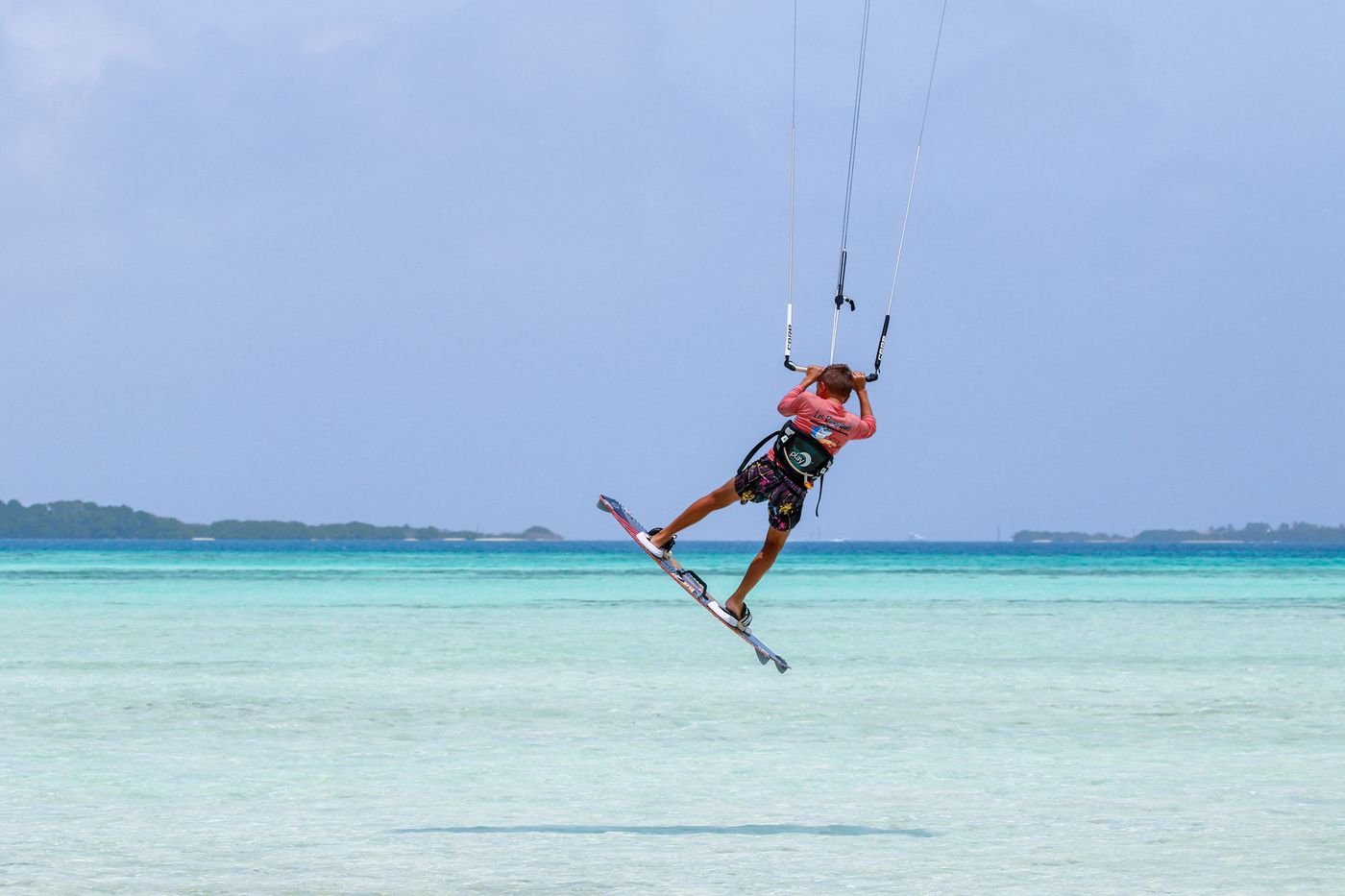
Tourism reshaped the coast from the 2000s, when kitesurfers discovered that the flat, waist-deep lagoon and dependable trade winds of Paje made near-perfect learning and freestyle conditions. Today Paje is East Africa's kitesurfing capital, its beach dotted with kite schools and bohemian cafes, while neighbouring Jambiani keeps a slower, more traditional village rhythm.